

Why 'Perfect' Wood Cabinets Are a Myth—and Why Denver Homeowners Are Embracing Imperfection
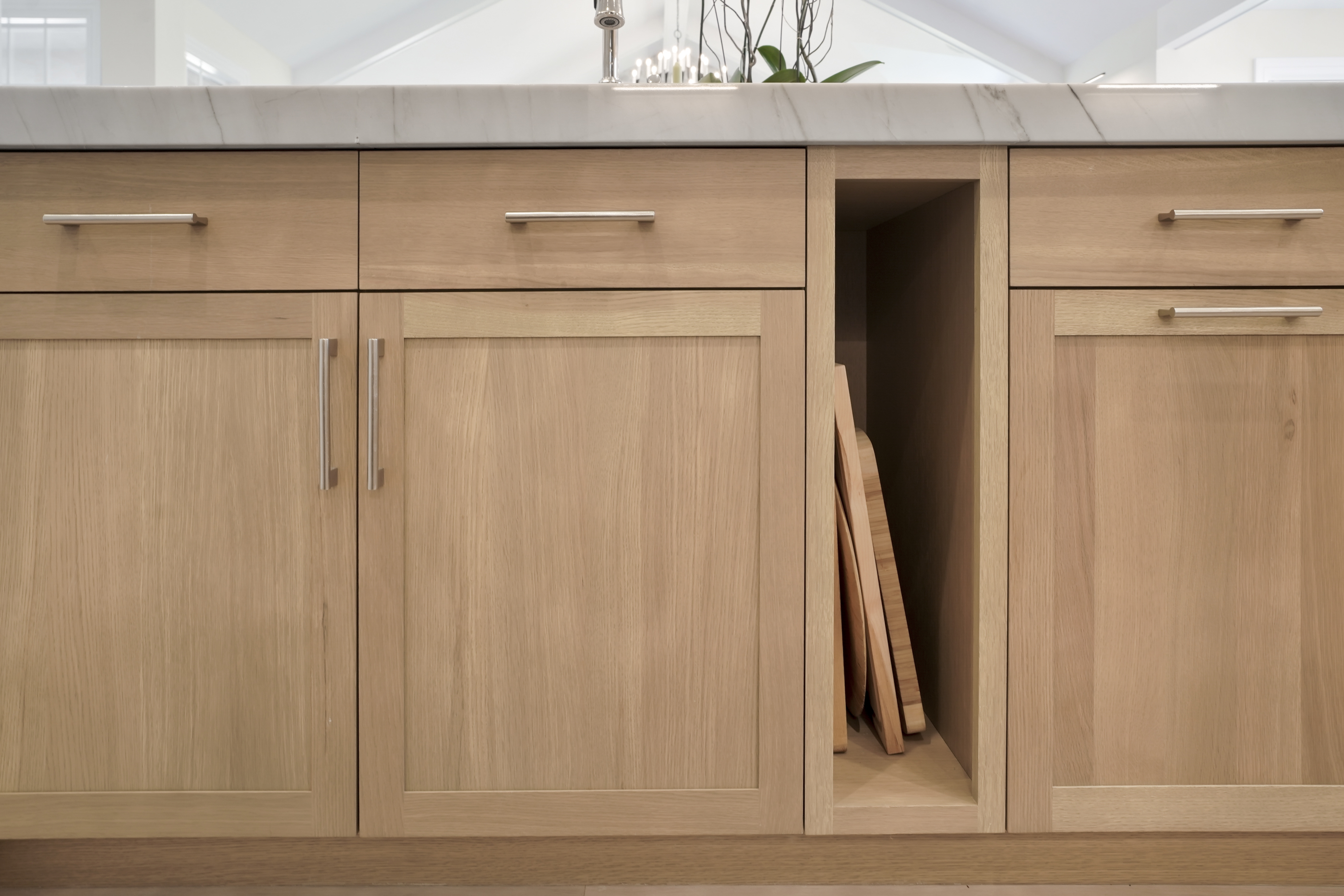
The natural grain variation and warm finish of these rift-cut white oak cabinets illustrate the unique beauty of wood.

BKC Kitchen and Bath
BKC Kitchen and Bath Urges Consumers to Question the “Flawless” Cabinet Finish Before They Buy
The truth? Perfect wood doesn’t exist—and it never has.
The Problem with “Perfect” Cabinets
Over the past decade, the cabinet industry has seen a sharp rise in synthetic materials engineered to imitate natural wood. Marketed as “uniform,” “defect-free,” or “consistency-guaranteed,” these products promise visual perfection—but rarely disclose what’s sacrificed in the process: authenticity, longevity, and the irreplaceable character of real wood.
According to the U.S. Forest Service’s Wood Handbook, natural variation in grain, color, and texture is an inherent property of all real wood species—not a flaw, but a defining characteristic of the material itself.
“Consumers are often told that knots, grain variation, and tonal shifts are ‘defects,’” says BKC owner Paul Hoff. “In reality, those characteristics are proof the material is real.”
This misconception is especially common among homeowners shopping for white oak cabinets, including sought-after options like rift-cut white oak. Even this premium cut—prized for its cleaner, straighter grain—still exhibits natural variation, because it comes from a living tree, not a mold.
A Shift Toward Organic, Honest Design
Design tastes are evolving. Across Colorado—and particularly in Denver—homeowners are moving away from glossy, plastic-looking kitchens and toward warmer, more organic spaces. The rise of the natural wood kitchen reflects a broader lifestyle shift: valuing authenticity over artificial perfection.
Interior designers are increasingly encouraging clients to embrace variation as a feature, not a flaw. Subtle differences in grain pattern, mineral streaks, and color tone create depth and visual interest that manufactured materials simply cannot replicate.
“Nature doesn’t repeat itself,” explains Jennifer Rogers, senior designer at BKC. “When every cabinet door looks exactly the same, that’s usually a sign you’re not looking at real wood.”
What Buyers Should Ask Before They Commit
BKC is encouraging homeowners to ask sharper questions before investing in cabinetry:
• Is the material solid wood, veneer, or a synthetic alternative?
• How is grain variation handled and explained during the design process?
• Are color shifts disclosed upfront—or hidden until installation?
Understanding these details helps consumers avoid disappointment and ensures they’re making honest, apples-to-apples comparisons.
Why Custom Cabinets Matter—Especially in Denver
With Denver’s blend of modern architecture and mountain-inspired aesthetics, one-size-fits-all cabinet solutions often fall short. Custom cabinets are valued not just for their fit, but for transparency in materials and the craftsmanship behind them.
BKC positions itself as an advocate for informed homeowners—those who want to understand what they’re buying, not just how it photographs in a showroom. By setting clear expectations and educating clients about natural wood behavior from the very first consultation, the company helps homeowners feel confident rather than caught off guard.
Imperfection as a Mark of Quality
As more Denver homeowners turn away from synthetic trends, the conversation is shifting. Knots aren’t defects. Grain variation isn’t a mistake. These elements are the fingerprints of real wood—and the reason handcrafted kitchens feel warm, timeless, and personal.
In a market crowded with look-alike cabinets, BKC is betting on honesty, education, and craftsmanship. And judging by the growing demand for white oak and natural wood kitchens across the Front Range, Denver homeowners agree: real beats perfect every time.
About BKC Kitchen and Bath
Established in 1978, BKC Kitchen and Bath is Denver’s leading provider of premium cabinetry and comprehensive design services, collaborating with clients to craft exquisite kitchens, baths, and whole-home cabinet projects. Renowned for exceptional service and award-winning design, BKC guides both homeowners and industry professionals through every step of the renovation journey. Learn more at bkckitchenandbath.com.
BKC Kitchen and Bath® and the BKC logo are registered service markers of Buffalo Acquisitions LLC d.b.a. BKC Kitchen and Bath.
Holly MacGregor
BKC Kitchen and Bath
+1 303-761-7477
email us here
Visit us on social media:
LinkedIn
Instagram
Facebook
YouTube
Other
Legal Disclaimer:
EIN Presswire provides this news content "as is" without warranty of any kind. We do not accept any responsibility or liability for the accuracy, content, images, videos, licenses, completeness, legality, or reliability of the information contained in this article. If you have any complaints or copyright issues related to this article, kindly contact the author above.
